Author Archives: Penny

About Penny

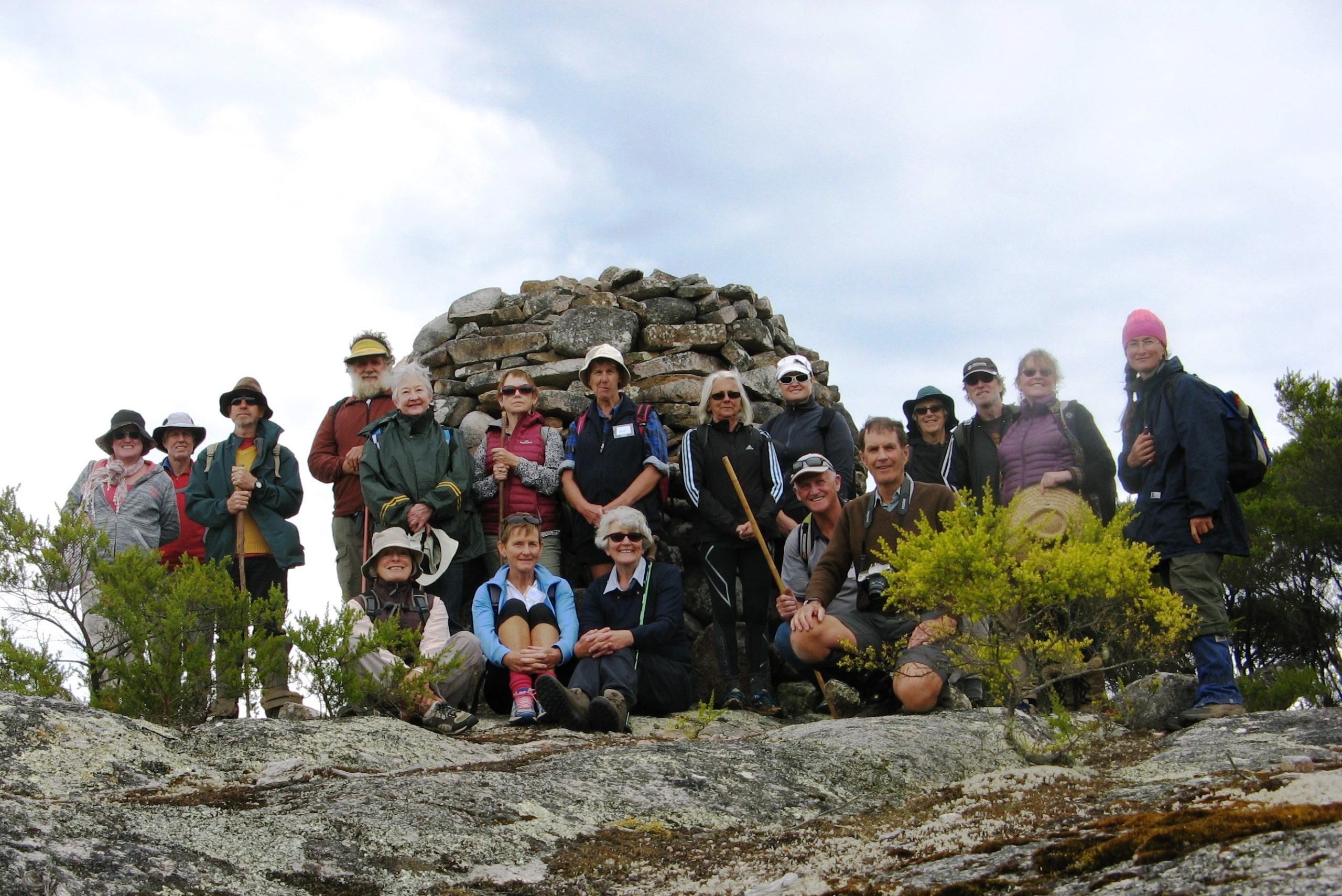
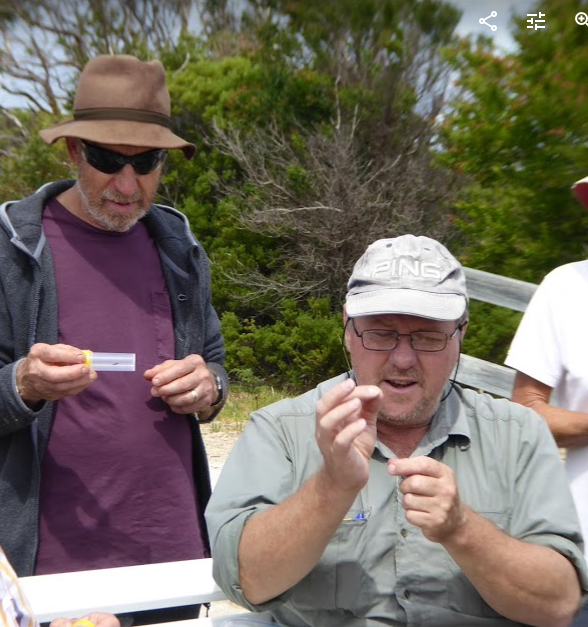
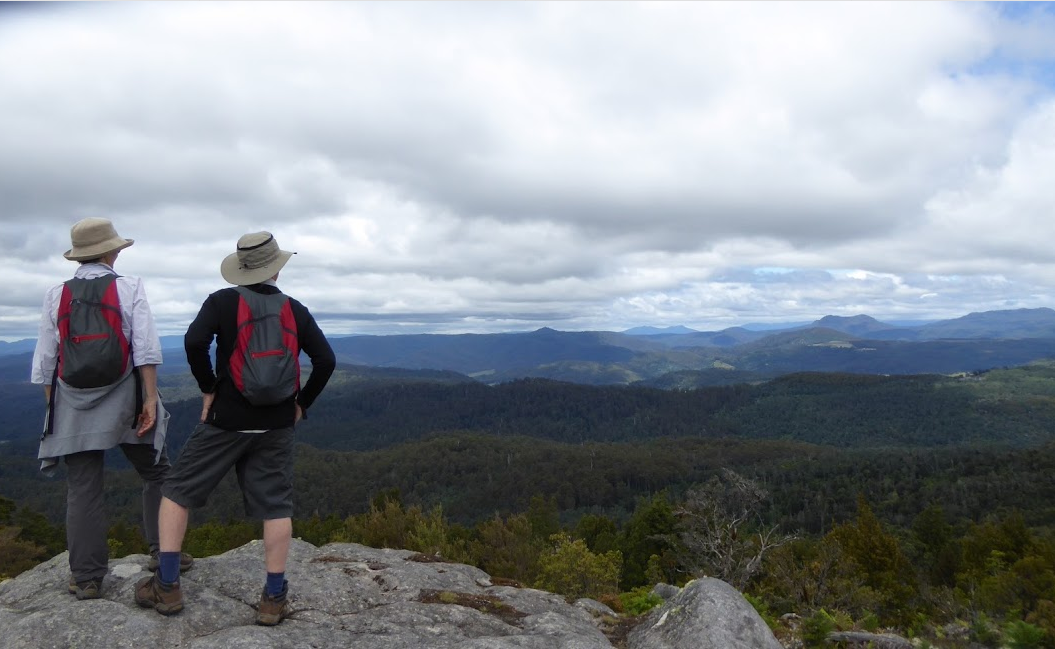
The North-Eastern Tasmania Field Naturalists Club encourages the study, appreciation and preservation of our natural and cultural environment, the animals, plants, geology and landforms, including those of the coastal and marine areas in the North East region of Tasmania.The club conducts regular excursions to diverse places of interest which are mostly fascinating and sometimes amazing. These events are led by a person who has a particular interest in and knowledge of the area visited.

Birds seen and heard at Greens Beach

Seen: Eurasian Coot, Australian Wood Duck,Masked Lapwing, Australasian Grebe (or possibly Hoary Headed Grebe), Tasmanian Native Hen, [Mongrel]Mallards, Pacific Black Duck, Little Black Cormorant,Yellow Cheeked Black Cockatoo, Superb Fairy Wren,Grey Fantail, Grey Shrike Thrush, Black Faced Cuckoo Shrike, Black Fronted Chat, Currawong, Swamp Harrier, Little Wattle Bird, Golden Whistler, Welcome Swallow, Tree Martin, Wedge Tailed Eagle, Forest Raven, Common Tern, Fantail Cuckoo, Black Fronted Dotterel, Silver Gull, Pacific Gull, White Faced Heron, Richard’sPipit, European Goldfinch, Brown Thornbill, BrownFalcon, Quail [undetermined species], Common Starling, Blackbird.

Heard, but not seen:Shining Bronze Cuckoo and Yellow Throated Honeyeater.

2014

February

Vale of Belvoir

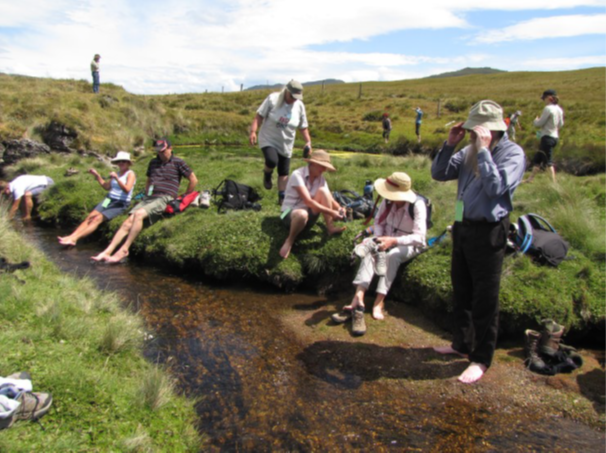
The Tas. Land Conserv-ancy held an open day for exploring the Vale of Belvoir with TLC staff and expert supporters as guides.
The Vale of Belvoir is a large open limestone valley located about 15 km NNW of Cradle Mountain, in the lee of the Black Bluff Range. It is about 10 km long by 2 km wide, trends NE-SW, and has an open grassy floor flanked by strips of ancient rainforest and eucalypt forest.

Cooling off in the Vale River (LB)

March

Shoreline monitoring, Weymouth

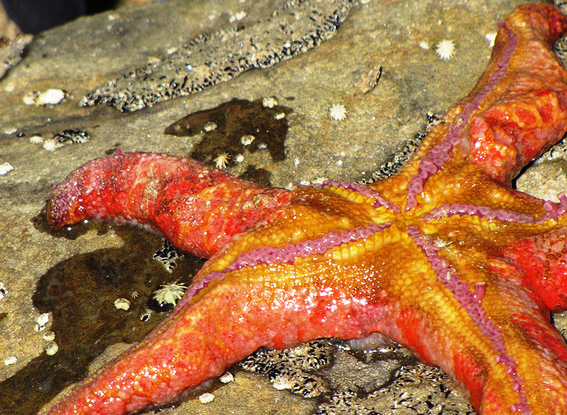
We chose a site  for counting and measuring near a launching ramp at Weymouth. It consisted of rocks. It looked unlikely. But it was actually an extremely rich and diverse area: Rosette barnacles, common sea urchins, eleven-armed seastar, sea apple, decorator crab, hairy-stone crab, even a blue-ringed octopus.

Mosaic seastar
Mosaic seastar, Weymouth (PR)

September

Scottsdale – Burrowing crayfish

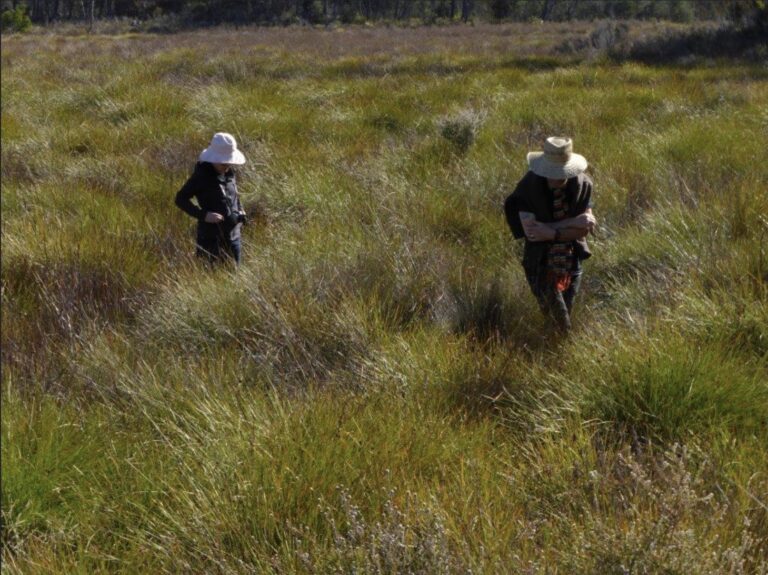
We celebrated National Threatened Species Day with a visit to the habitat of the Scottsdale Burrowing Crayfish, at Northeast Park (Scottsdale) then on the  Old Waterhouse Road

Looking for crayfish chimneys
Looking for crayfish chimneys (LB)

October

Searching for the stag beetle, Goshen

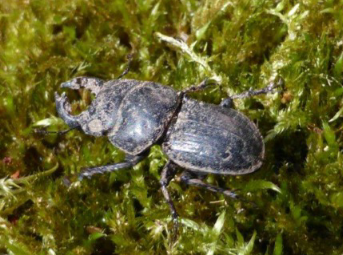
Ian and Kim Matthews have a bushland block at Goshen, north-west of St Helens. In October 2014 they hosted our club for a fascinating day during which we heard the story of the discovery of this rare stag beetle, met the widow of George Bornemissza, after whom the beetle is named, and were guided by Mike Bouffard on our search to find a live specimen

Adult Hoplogonus bornemissza –a lucky find on the day
Adult Hoplogonus bornemissza
  • November

Exploring Anson’s Bay

We ambled along Jenny Bicanic’s favourite paths looking for orchids, listening for birds.

Examining orchids, Ansons Bay
Examining orchids, Ansons Bay (PR)

December

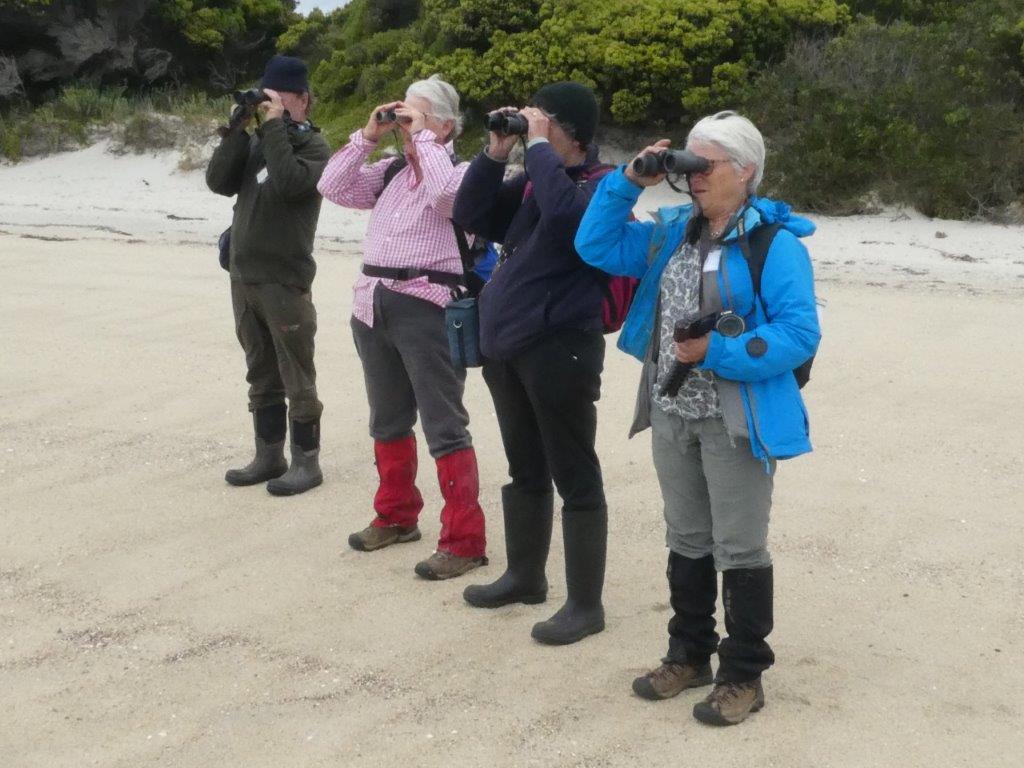
Bird watching, Greens Beach

The December activity involved bird-watching on the property of Don and Barbara Pitt, 340 hectares at Friend Point, near Green’s Beach, where the Tamar River meets Bass Strait.

The complete list of birds is here

2020

February 8th

Ben Lomond

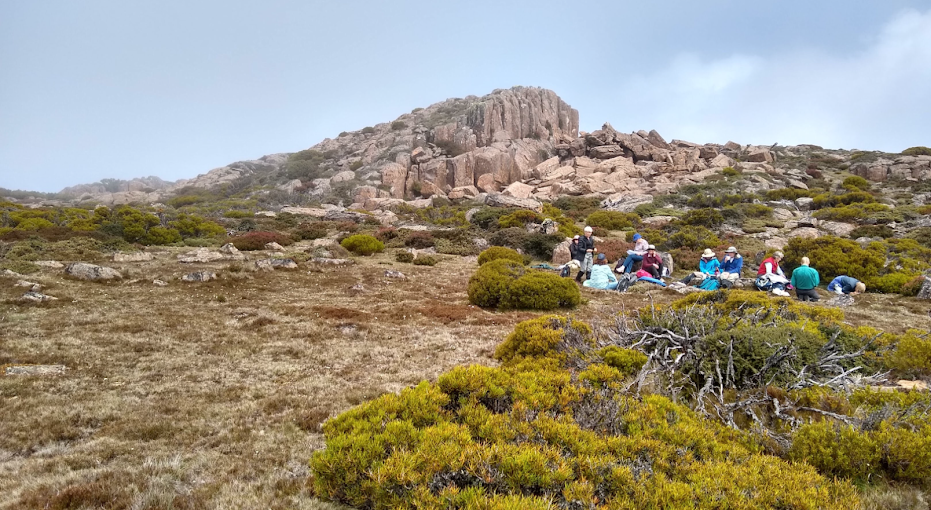
Mike Douglas lead us up a rocky path across an extensive dolerite block field, with impressive hexagonal columns vanishing into the mist. Many alpine plants were in flower. We had lunch on the plateau of the Plains of Heaven, where the massive roche moutonnée rose behind us.

Field Nats lunching on Plains of Heaven
Lunch on Ben Lomond

March 14th

Merthyr Park and Mt Direction

Len Gillett lead us on these two walks which are approximately 16 kms apart. The highlight at Merthyr Park was seeing the humungous ghost fungus omphalotus nidiformis, which glows in the dark. At the summit of Mount Direction we saw the interesting remains of a semaphore station from the early 1800s – a signal system which sent information about Tamar River traffic between Low Head and Launceston.

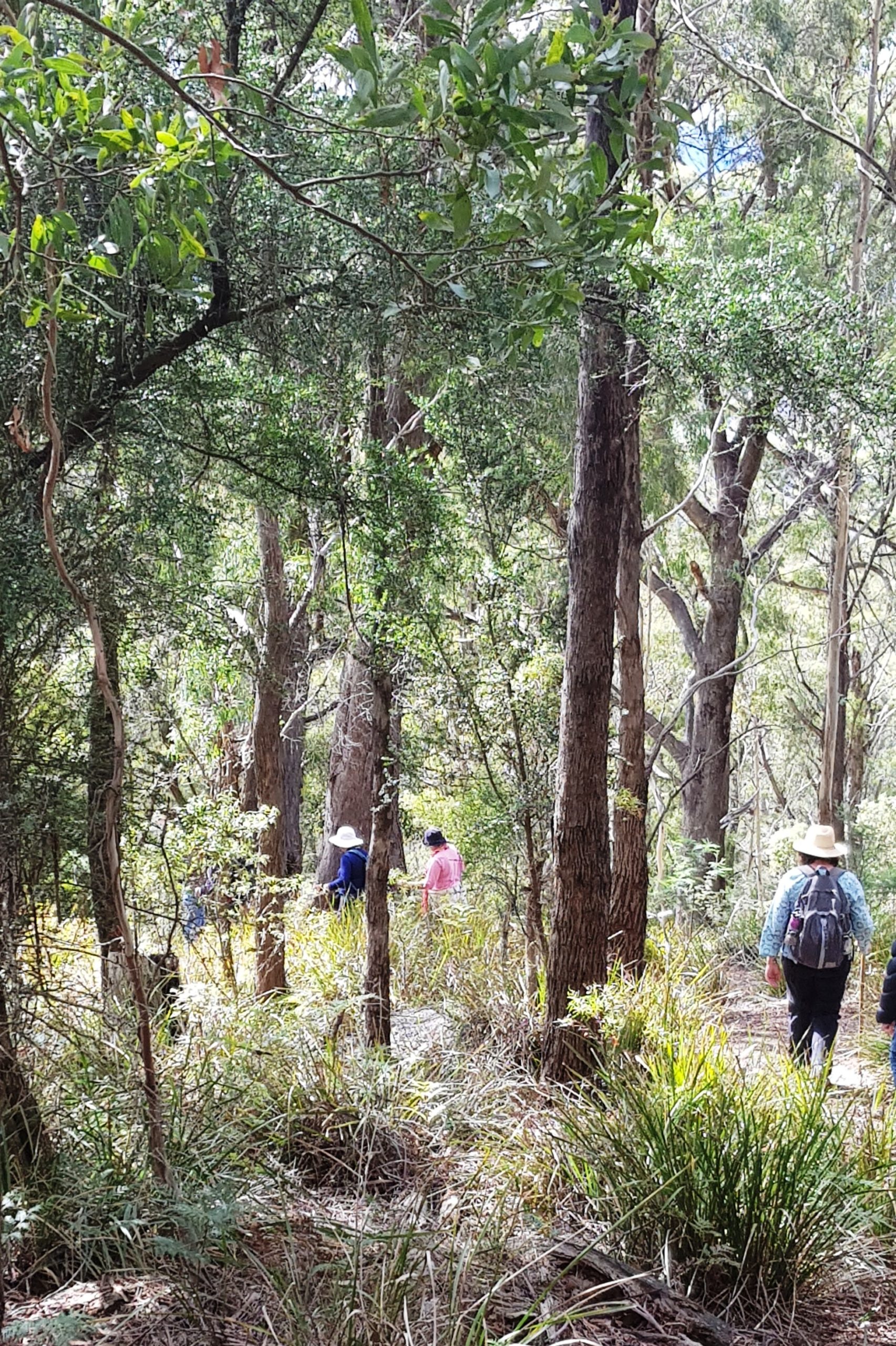
Descending Mount Direction
Descending Mount Direction (PR)

July 11th

Myrtle Park Forest Reserve, Springfield

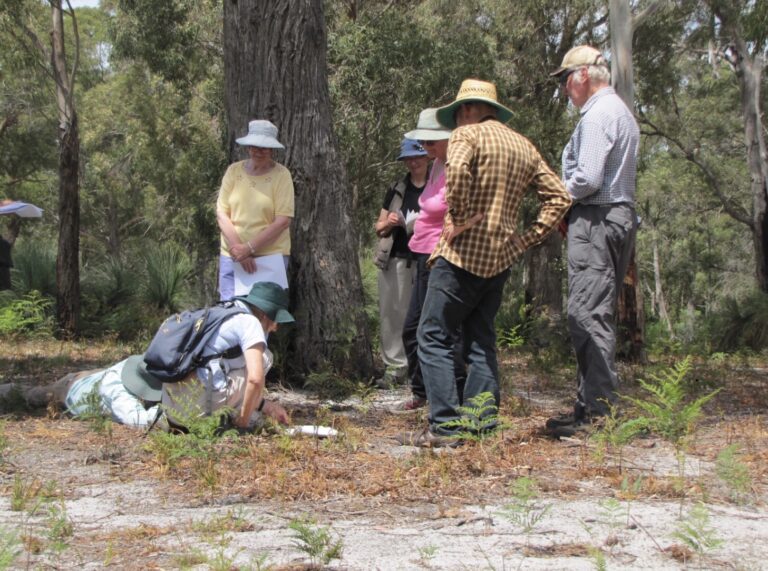
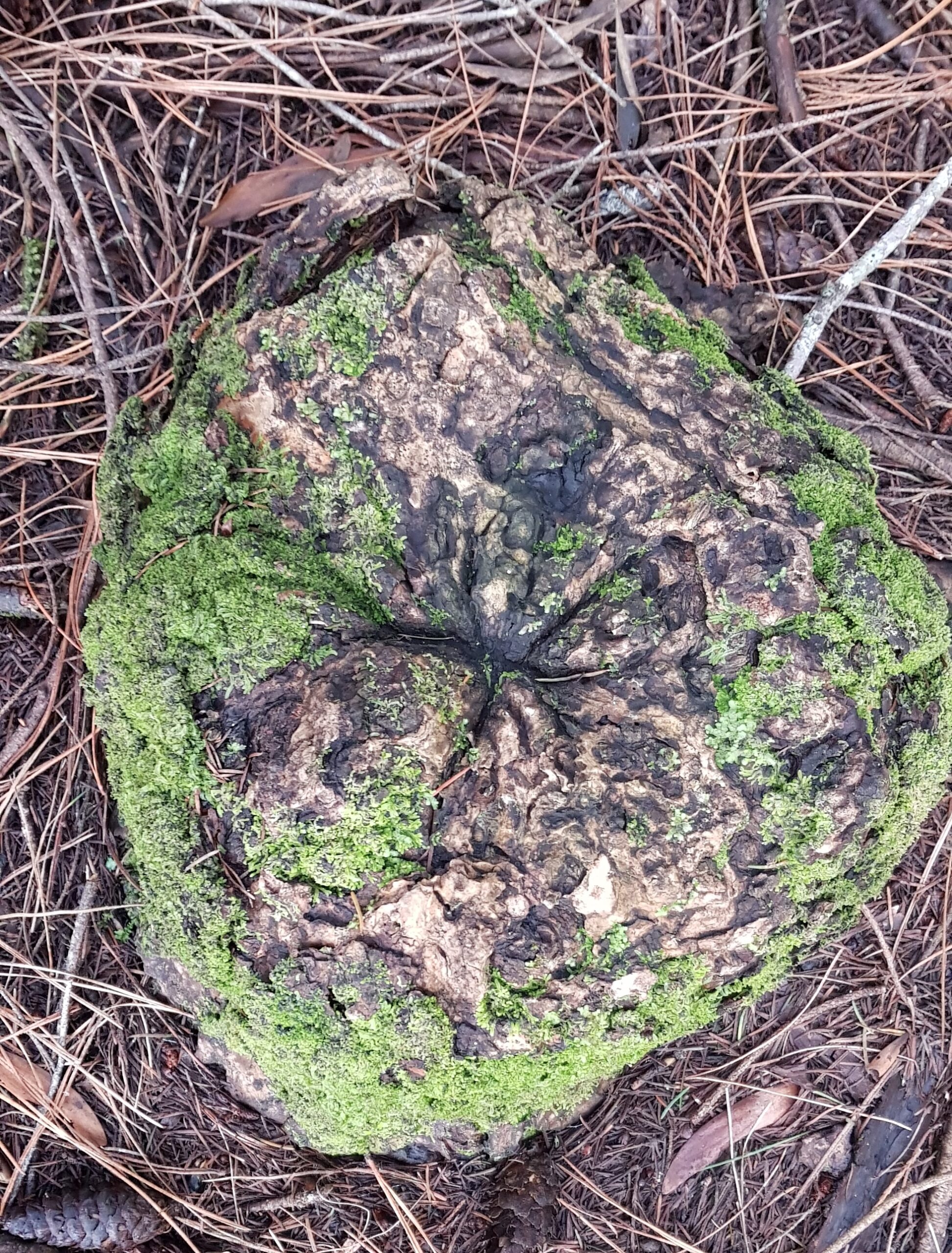
We measured, photographed and counted over 100 living stumps of Douglas firs cut down over 40 years ago

Living stump of Douglas fir

August 9th

Paradise Plains Reserve

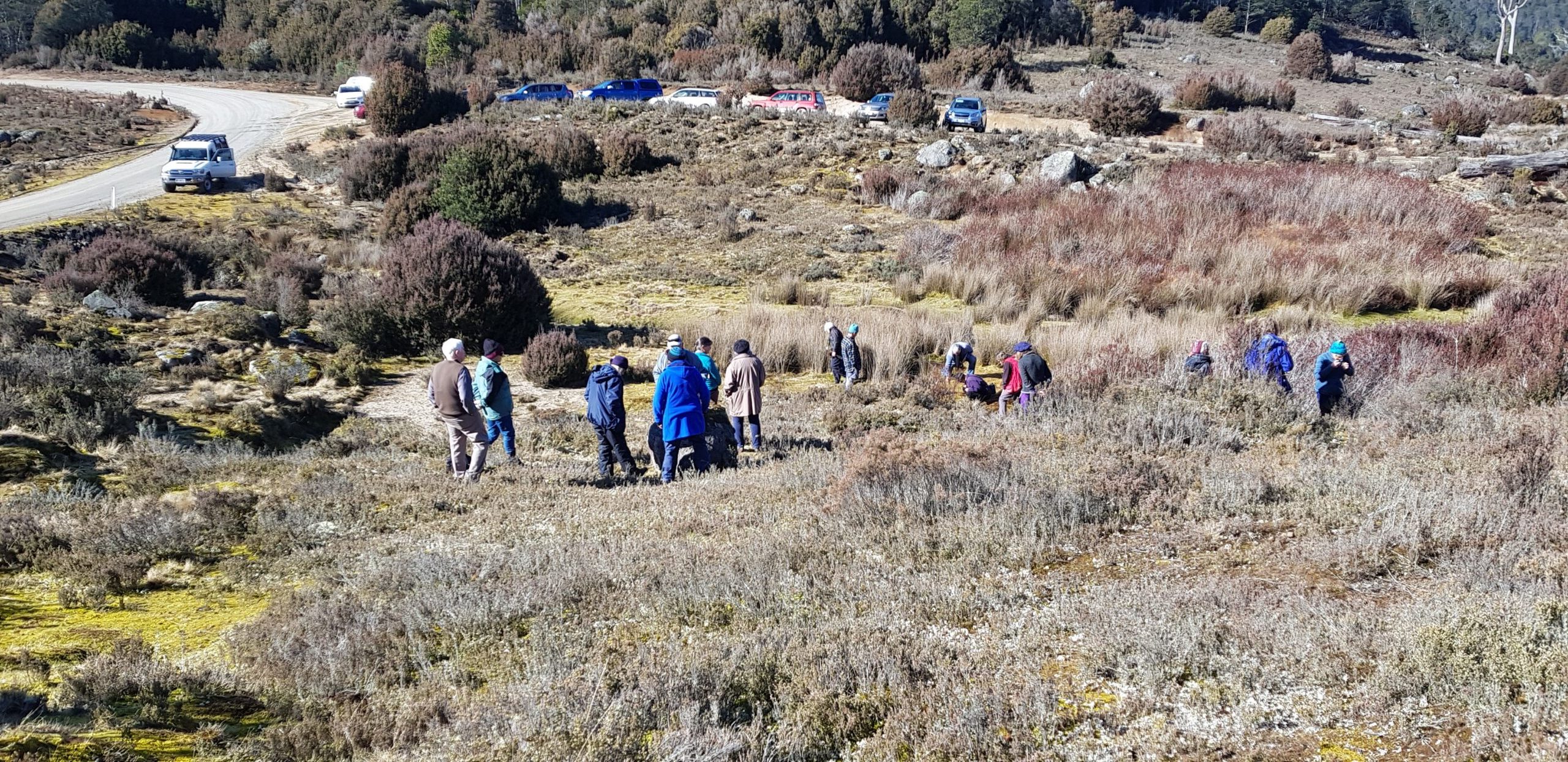
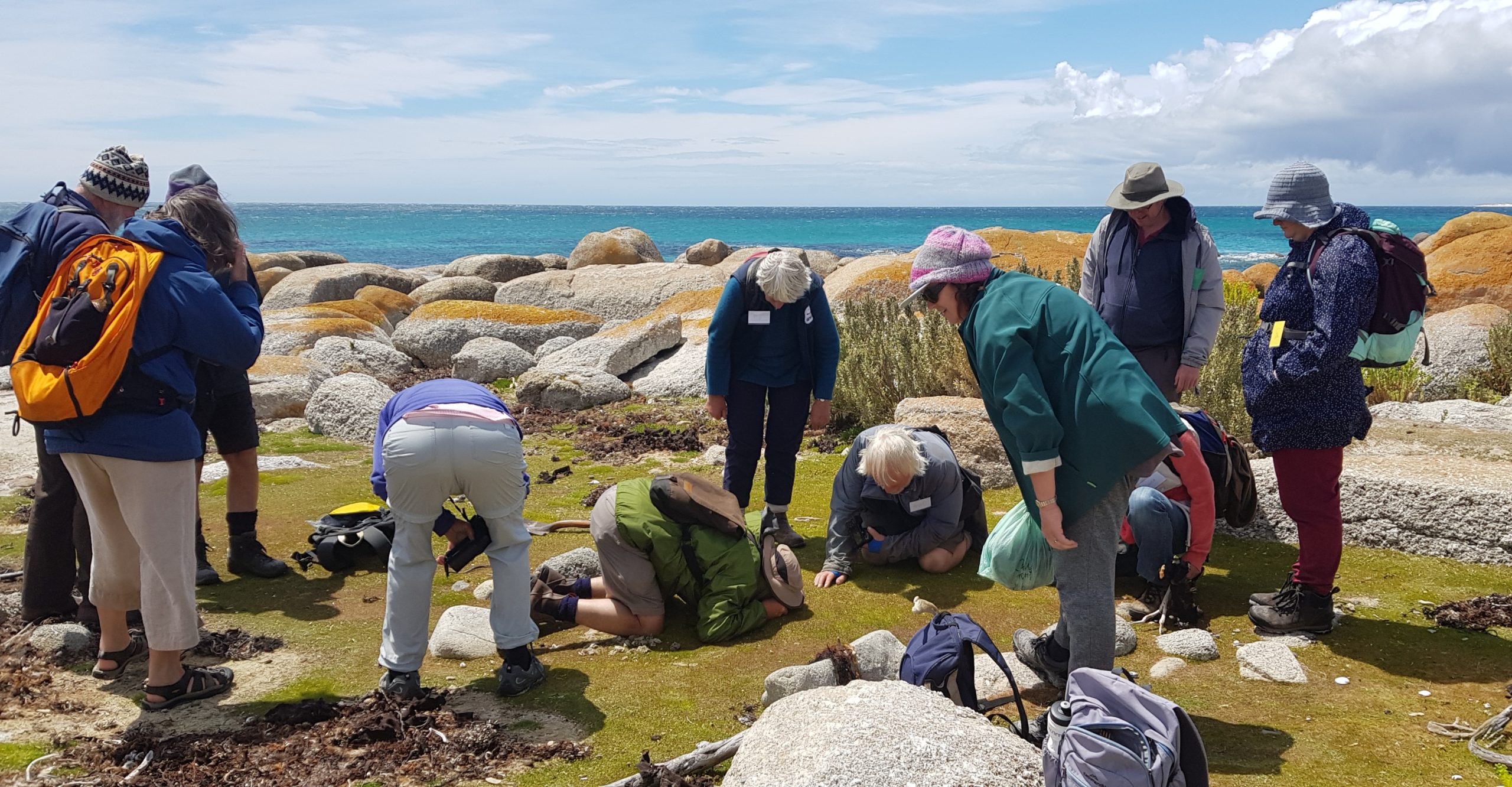
Discovering bryophytes with Dr. Perpetua Turner at Paradise Plains

Field naturalists looking at bryophytes at Paradise Plains Reserve
Paradise Plains Reserve

September 10th

A trip to Eddystone Point

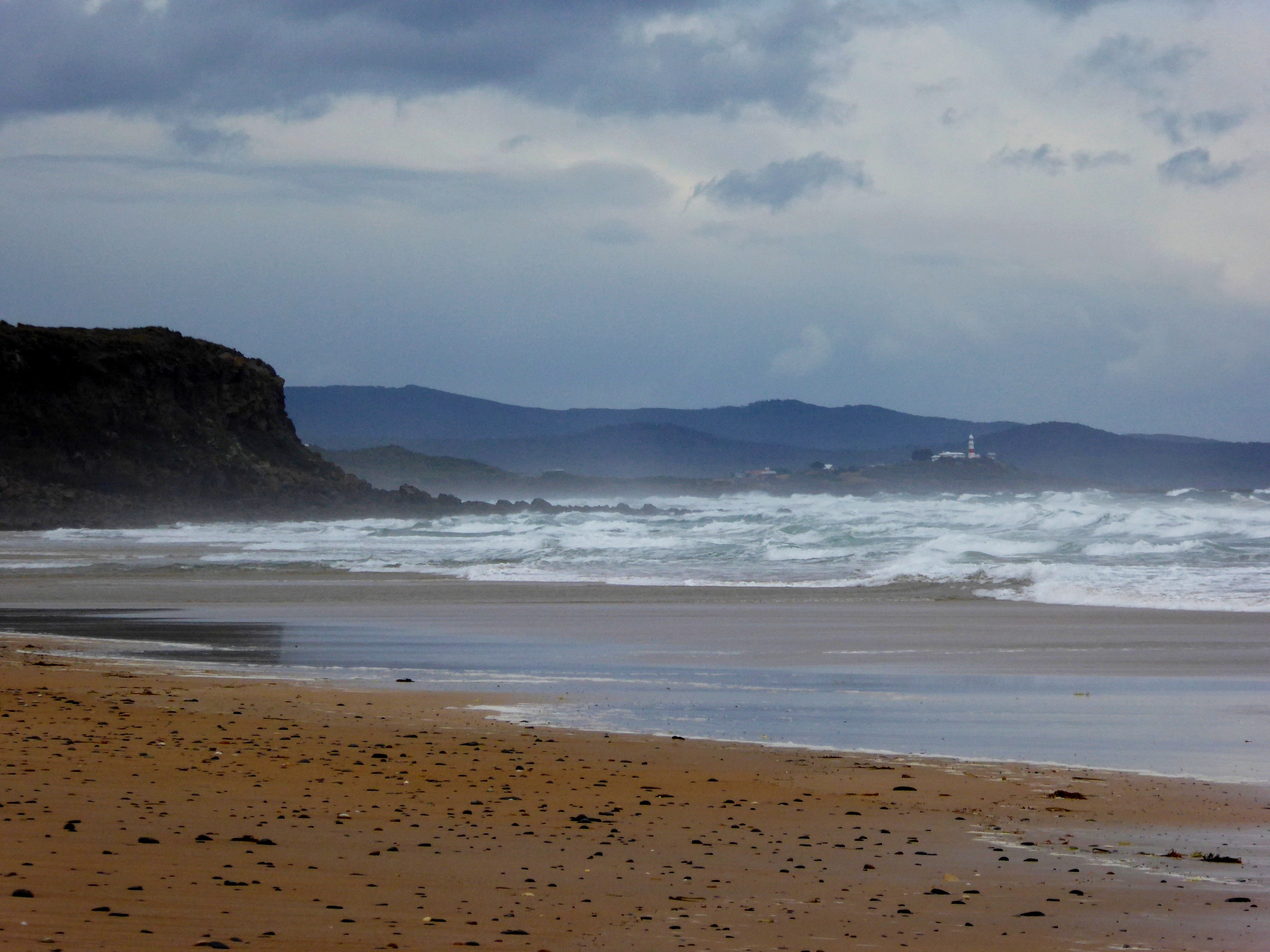
Eddystone Point, also known by its
Aboriginal name Larapuna, is in the Mount William National Park and marks the northernmost tip of the Bay of Fires region. Larapuna is the homeland of the Palawa (indigenous Tasmanian) people, and features the historic Eddystone Point Lighthouse.

Eddystone Point
Eddystone Point

October 10th

Winifred Curtis Reserve, Scamander.

The reserve is an 80 hectare ecosystem adjacent to Henderson Lagoon, with dry sclerophyll bushland, heath, marshland, wetland, dunes, and abundant bird life. Unfortunately It was too wet underfoot for the Field Nats to get to dunes or lagoon.

Winifred Curtis, 1905-2005 was Tasmania’s  most distinguished professional botanist.

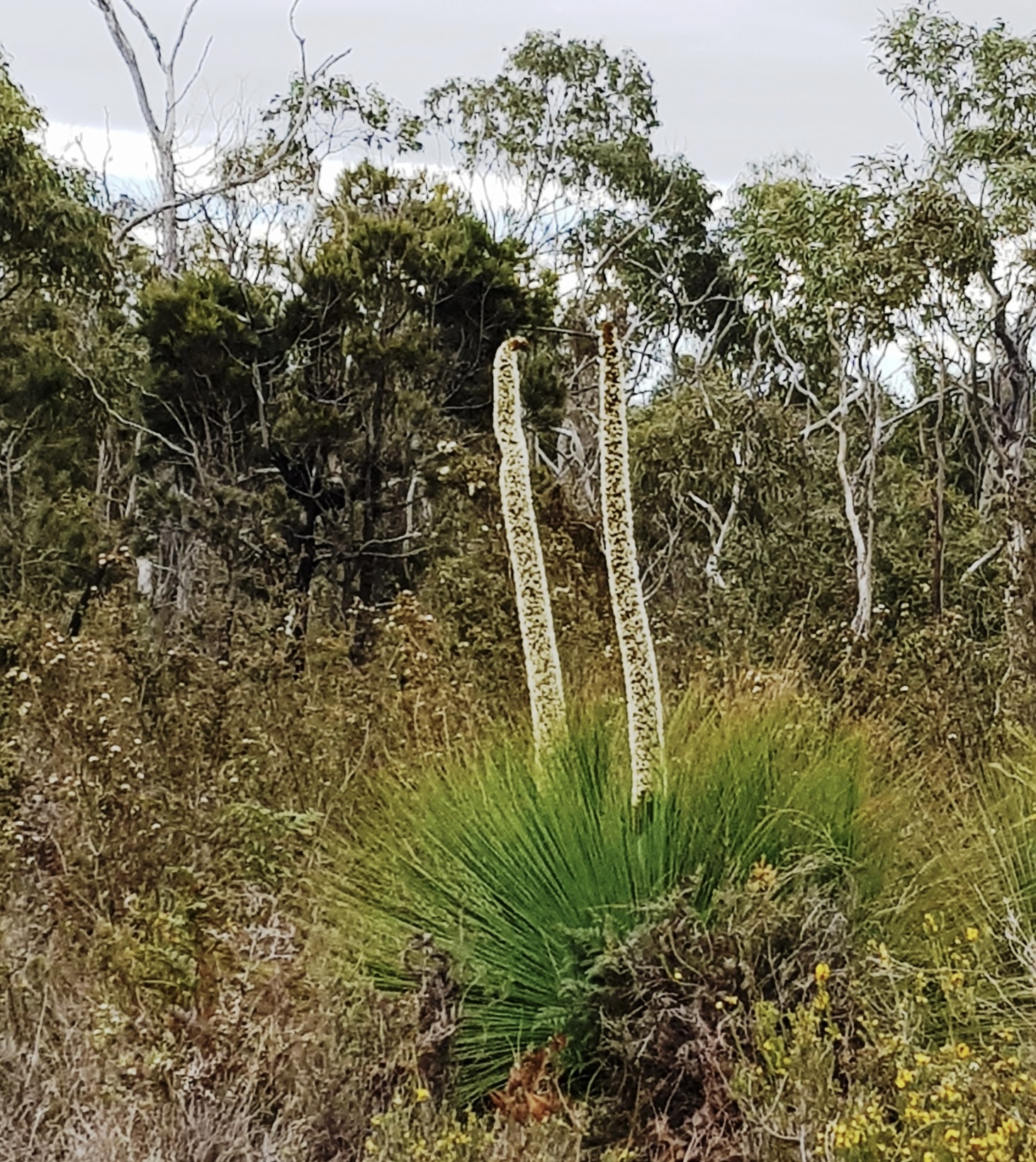
Xanthorrhoea
Xanthorrhoea

November 14th

A field trip to Upper Scamander.

After walking from the washed-out bridge at Brilliant Creek, and lingering over a wealth of orchids along the road-side, we crossed the Scamander River, and left  the road, walking through dry open sclerophyll forest dominated by Eucalypts (including E. amygdalina – black peppermint, and E sieberi – iron bark).

FIeld trip to Upper Scamander

December 12th

Cape Portland

A trip to the Musselroe wind farm to explore the northern coast of Cape Portland, and watch for migratory sea birds.        
More about the wind farm here

Field Nats at Cape Portland (LB)

Our newsletters

2023

North Eastern Naturalist 220 March 2023

2022

North Eastern Naturalist 216 March 2022

North Eastern Naturalist 217 June 2022

North Eastern Naturalist 218 September 2022

North Eastern Naturalist 219 December 2022

North Eastern Naturalist 219 December 2022 Supplement

2021

North Eastern Naturalist 212 March 2021

North Eastern Naturalist 213 June 2021

North Eastern Naturalist 214 September 2021

North Eastern Naturalist 215 December 2021

North Eastern Naturalist 215 December 2021 Supplement

2020

North Eastern Naturalist 208 March 2020

North Eastern Naturalist 209 June 2020

North Eastern Naturalist 210 September 2020

North Eastern Naturalist 211 December 2020

North Eastern Naturalist 211 December 2020. Supplement

2019

North Eastern Naturalist 204 March 2019

North Eastern Naturalist 205 June 2019

North Eastern Naturalist 206 September 2019

North Eastern Naturalist 207 December 2019

North Eastern Naturalist 207 December 2019 supplement

2018

North Eastern Naturalist 200  March 2018

North Eastern Naturalist 201 June 2018

North Eastern Naturalist 202 September 2018

North Eastern Naturalist 203 December 2018

North Eastern Naturalist 203 December 2018 supplement

2017

North Eastern Naturalist 196 March 2017

North Eastern Naturalist 197 June 2017

North Eastern Naturalist 198 September 2017

North Eastern Naturalist 199 December 2017

North Eastern Naturalist 199 December 2017 supplement

2016

North Eastern Naturalist 192 March 2016

North Eastern Naturalist 193 June 2016

North Eastern Naturalist 194 September 2016

North Eastern Naturalist 195 December 2016

North Eastern Naturalist 195 December 2016 supplement

2015

North Eastern Naturalist 188 March 2015

North Eastern Naturalist 189 June 2015

North Eastern Naturalist 190 September 2015

North Eastern Naturalist 191 December 2015

North Eastern Naturalist 191 December 2015 supplement

2014

North Eastern Naturalist 187 September 2014

2013

North Eastern Naturalist 186 July 2013

2012

North Eastern Naturalist 183 February 2012

North Eastern Naturalist 184 June 2012

North Eastern Naturalist 185 December 2012

2011

North Eastern Naturalist 181 February 2011 [titled February 2010]

North Eastern Naturalist 182 July 2011

2010

North Eastern Naturalist 179 March 2010

North Eastern Naturalist 180 July 2010

2009

North Eastern Naturalist 176

North Eastern Naturalist 177 May 2009

North Eastern Naturalist 178 July 2009

2008

North Eastern Naturalist 174 April 2008

North Eastern Naturalist 175 September 2008

2007

North Eastern Naturalist 171 2007

North Eastern Naturalist 172 2007

North Eastern Naturalist 173  2007

2006

North Eastern Naturalist 168 March 2006

2005

North Eastern Naturalist 166 July 2005

North Eastern Naturalist 167 November 2005

2004

North Eastern Naturalist 162 January 2004

North Eastern Naturalist 163 June 2004

North Eastern Naturalist 164 October 2004


Federation of Tasmanian Field Naturalists Weekend 2019

GET-TOGETHER OF TASMANIAN FIELD NATURALISTS

Every two years, members of field naturalist clubs in Tasmania are hosted by one of the clubs for a weekend get-together.

It’s a chance for the host club to showcase something special in their region, and also a chance to have social contact with other people with like interests, i.e. those who are interested in the natural environment.

In October this year it was the North East Field Naturalists turn. We hosted visitors in our homes, provided a meal on the Saturday night and organised two walks.

On the Saturday Mike Douglas led 26 visitors on a walk in the Waterhouse Conservation Area.

During the walk, topics discussed included the geological history of sand movement, dune stabilisation, land clearance and drainage of the area. There was also discussion of a disease called stem rot which is affecting the southern grass tree (Xanthorrhoea australis) and of the root rot organism known as Phytophthora. In addition, some of the 300 species of plants that go to make up the coastal heath habitat were identified.

The W.C.A. contains some of the best examples of the small amount of heathland that remains in Tasmania, so members were careful not to contaminate the area and were encouraged to clean and spray their shoes before commencing the walk.

On the Sunday, delegates were hosted by club member Scott Bell, who led a walk through his property of 240 hectares at Little Pipers River.

Scott’s property is protected by a Tasmanian Land Conservancy Covenant and includes a Free Range Enclosure, a fenced area that provides a safe place for healthy Tasmanian devils to breed with no chance of exposure to the devil facial tumour that has decimated devil populations through much of Tasmania.

The devils in the enclosure therefore constitute an ‘insurance population’, i.e. if Tasmanian devils become extinct in the wild, healthy devils from the enclosure could be used to re-establish the species in Tasmania.

We were interested to learn that an unusual species of Xanthorrhoea is present on Scott’s property. This is Xanthorrhoea bracteata (the shiny grass tree) which grows only in the North East, and is classed as Endangered under the Environment Protection and Biodiversity Conservation Act.

The visitors were impressed with the north-eastern Tasmanian hospitality, and some of them stayed longer to explore other natural gems in our area.

Louise Brooker
Galleries

Photographs by: Claudia Bohme (CB), Lou Brooker (LB), Ross Coad (RC), Mike Douglas (MD), Fiona Ferguson (FF) Chris Forbes-Ewan (CF), Len Gillett (LG), Vanessa Lee (VL), Revel Munro (RM), Lloyd Reeves (LR), Penny Reeves (PR), Ann Scott (AS), Craig Searle (CS), Deb Searle (DS), Ray Van Engen (RVE), David Waldron (DW),  Jay Wilson (JW), Anne Witherden (AW).
Bryophytes and lichens

Fungi

Insects

Orchids

Ferns

Trees

Other flora
Other things
People

Seaweed

Photos by Geoff and Annabel Carle

1970s-1980s

2002 Visit to Dalmayne Mine, Fossil Museum and Wardlaws Creek


2019

February

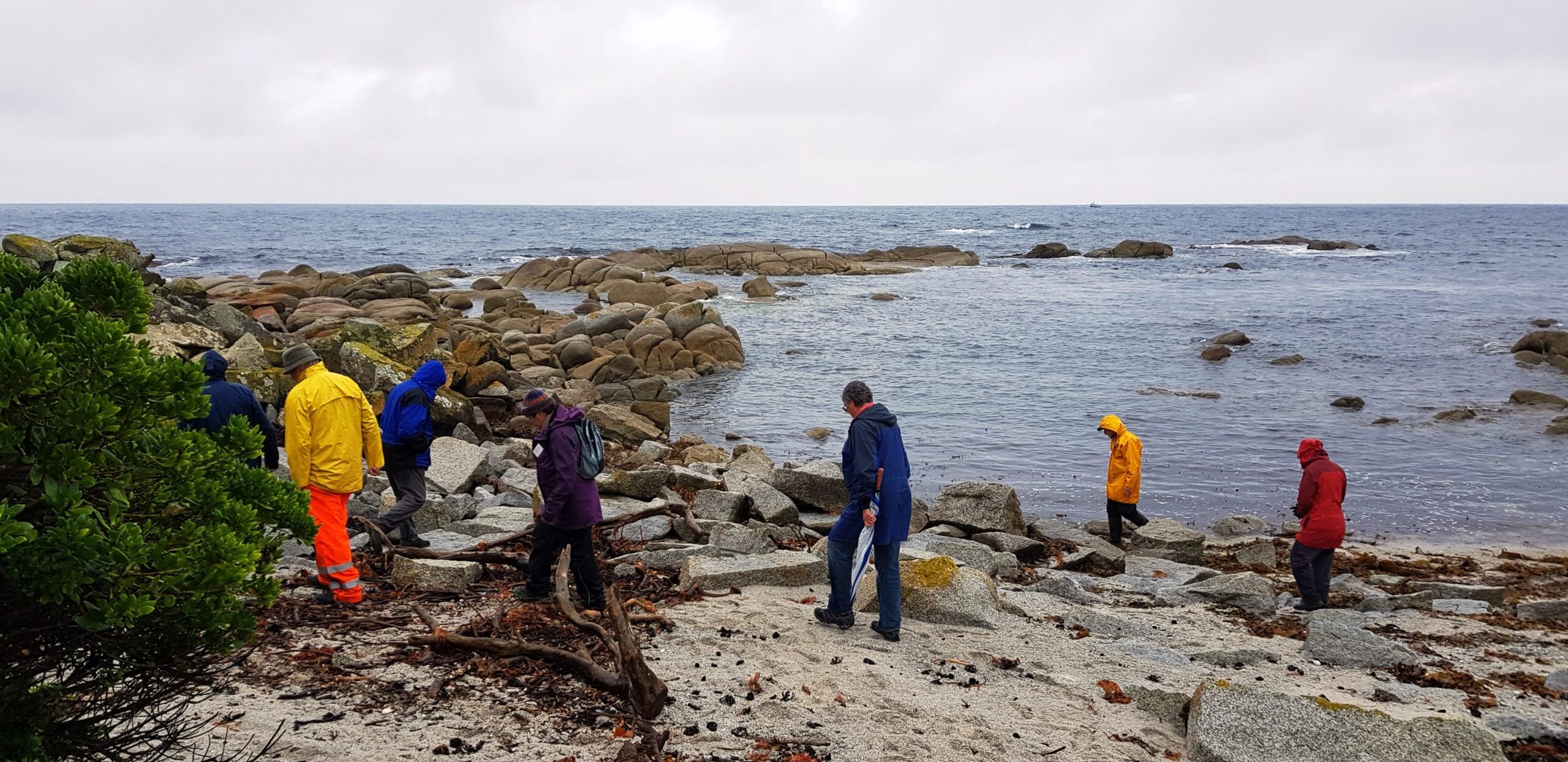
Beach walk to Five Mile Bluff rock platform

This rock platform is little known since it doesn’t have road access. During the walk, the keen naturalists identified seven species of seaweed. Two species of Boobyalla were also observed.

Five Mile Bluff
Five Mile Bluff

March

Mutual to Moorina

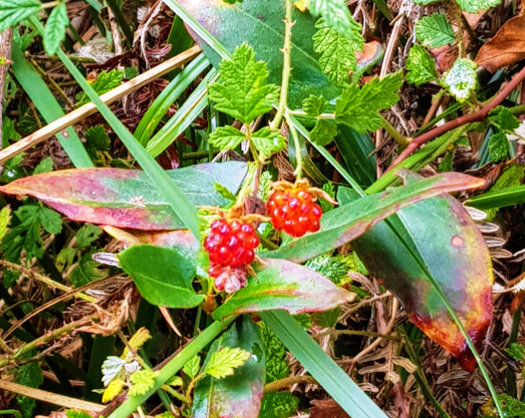
A gentle 5km walk along the banks of the beautiful Ringarooma River. We passed some fine stands of myrtle, blackwoods, man ferns, mother shield ferns and kangaroo fern. Also native edible fruiting plants – the native currant, raspberry, cherry, and purple appleberry.

Native raspberry (rubus parvifolius) (PR)

April

A leisurely look at three gardens in the Bridport area which have been managed as habitats for wildlife.

May

Fungi Foray, Skemps, Myrtle Bank

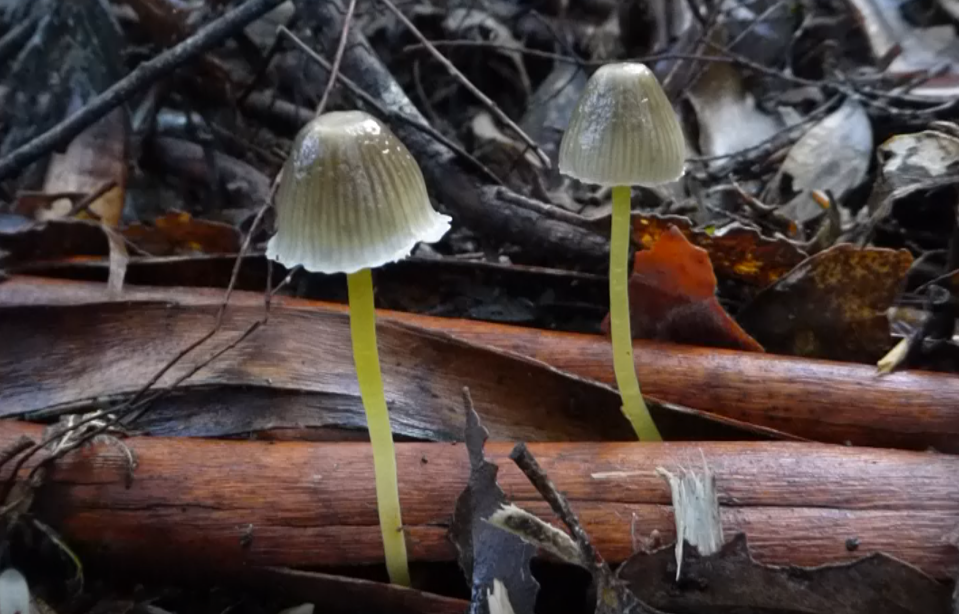
The Launceston Field Naturalists Club owns and operates the John Skemp Field Centre. It is situated on approximately 60 hectares (148 acres) of wide open spaces, wet and dry sclerophyll forest, fern gullies and ponds on Skemp Creek. A number of nature trails have been developed over the whole property. 

Mycena epipterygia
Mycena epipterygia (PR)

June

A 12 km walk along the North East Rail Trail from Kamona Station to Tonganah.

There were fungi, there were orchids and such a richness of vegetation.  Facing north, tall trees- Eucalyptus obliqua.  At the foot of embankments plants that thrived in wetter conditions. Excitement when we found colonies of Mosquito orchids – Acianthus pusillus, and the fringed helmet orchid – Corybas fimbriatus.


North East Rail Trail
North East Rail Trail (PR)

September

Cape Portland

Our tour of Cape Portland, which now hosts the Musselroe Wind Farm, highlighted the natural features of the Cape and the efforts of the management team to manage and enhance the natural resources there.

Golden heath Cape Portland (LB)

October

Federation of Tasmanian Field Naturalists weekend

In October it was the North East Field Naturalists turn to welcome members of other Tasmanian field naturalists clubs for the biennial weekend get-together. We hosted visitors in our homes, provided a meal on the Saturday night and organised two walks.

Read more about the weekend here. And see photos here

Introduction to Waterhouse Conservation Area by Mike Douglas

November

Scamander : A Day with Todd
Todd Dudley focused on the Skyline Tier project. We visited a plantation site that had been logged, exhibiting the first step back to native forest. We looked at some regeneration sites to see progress after burning and weeding, and heard about the detrimental effects of mono-culture associated with plantations.

Blossom on Eucalyptus sieberi

December

Exploring Musselroe Bay.
We explored the coastal area east of the settlement, and the tracks along the edge of the Musselroe River.

Musselroe Conservation Area
Musselroe Conservation Area, (PR)

2018

February

Constable Creek wade and walk – St Helens.

A warm watery stroll up the creek, where many ferns were identified, and a variety of  other vegetation including dogwood, silver wattle, bulloak and native cherry. A Tasmanian water spider, Megadolomedesjohndouglasi, was also seen.

Constable Creek (PR)

March

Explore Scamander River

We looked at the river’s catchment characteristics, geomorphology and social history.

Scamander River
Scamander River

April

Dorset Dredge – Gladstone

A walk through the bush to this relic of mining history. Historians and Geologists told the story.

Click here for an article from the NE Advertiser in 1950

Field Nats at the Dorset Dredge (PR)

May

Scott Bell’s devil enclosure

Scott told us how the project has progressed. Steve Cronin shared some information on many different habitat types in the area. A bonus was the chance to see a carbonised piece of pine between 20 and 23 million years old revealed by an excavator whilst digging a dam.

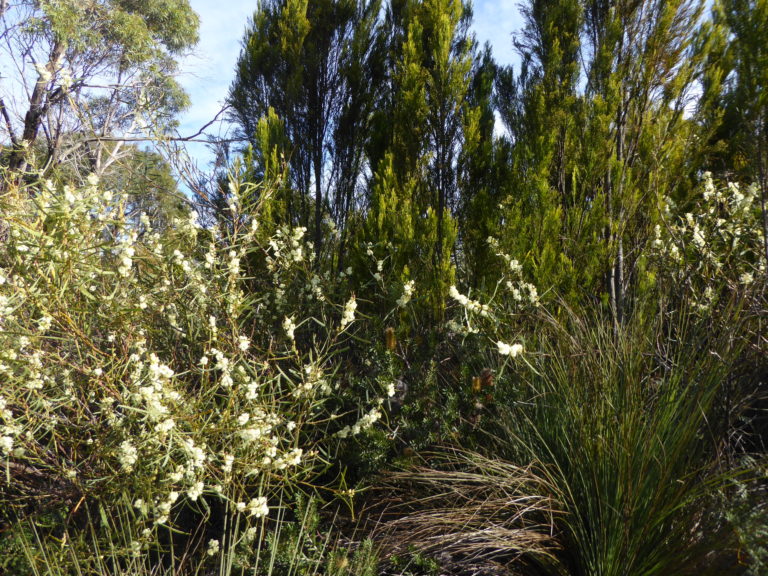
Acacia suaveolens

June

Brid River Reserve at Duncraggen Hill

A walk through a narrow Crown river reserve extending along the Brid River for 3.5 Kms. It is surrounded by State forest, and is a dry-to damp sclerophyll forest dominated by stringy bark and black perppermint,  with a scattering of fine old whitegums.

September

Fern Foray, Little Chook bike trail, Weldborough

The Little Chook mountain bike trail, arguably one of the most beautiful trails in the Blue Derby network. The easy grade 6 km circuit walk, wending through a myrtle forest, is a hotspot for ferns.

Blue Tier - Little Chook bike trail
Blue Tier - Little Chook bike trail (JW)

October

Mt William National Park – Boulder Point

Mt William rises above a plain which is near the coast and contains heathland vegetation, grass trees (Xanthorrhoea) and black peppermint (Eucalyptus amygdalina). Three plants of special interest were observed on this walk. Dockrillia striolata (streaked rock orchid), Hibbertia aspera (rough guinea flower) and Pterostylis dubia (blue tongued orchid).  A family of five or six fledgling dusky woodswallows (Artamus cyanopterus) was also seen.

Mt William National Park, North-east Tasmania
Mt William (LB)

November

A walk up Mount Maurice

Climbing to an altitude of 1100 metres, we saw three main types of forest: wet sclerophyll (mainly Eucalyptus delegatensis, or whitetop), mixed forest (whitetops with a predominantly myrtle understorey), and rainforest. At the summit, with it’s 360 degree view, was more flora, including Richea scoparia, a prickly plant endemic to Tasmania.

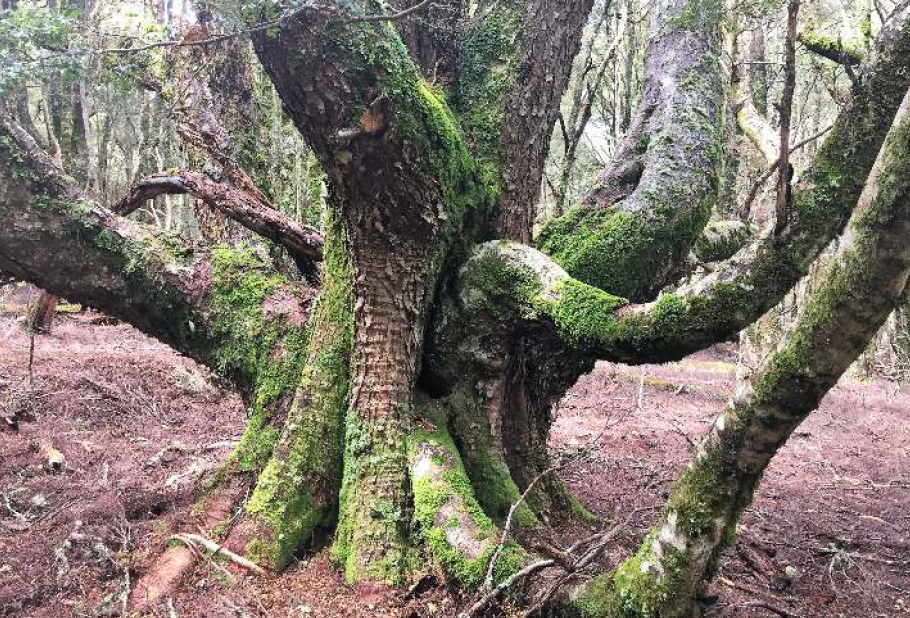
Nothofagus cunninghamii
Ancient myrtle (Nothofagus cunninghamii)

December

Diddleum Plains

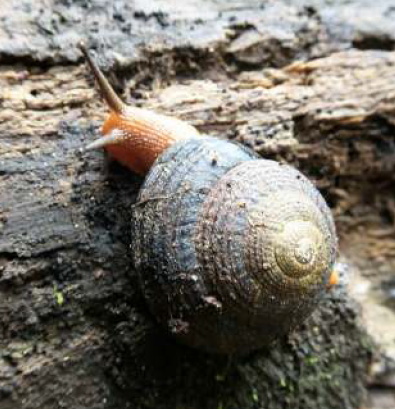
The track, which started at East Diddleum, followed the route which the Camden irrigation pipeline now takes, and we were disappointed to realise that soon many beautiful manfern glades, myrtles and sassafras will have to be cleared to make way for the pipeline. The shady manfern gullies give way to the radiata pine forest, then the track meanders through mature native forest,  An interesting discovery was a largeforest land snail, Anoglypta launcestonensis.

Anaglypta launcestonensis (Granulated Tasmanian snail)

2017

February

Mount Stronach

A steep climb to the summit, mainly through a dry to damp sclerophyll forest dominated by stringybarks, black peppermints and white gums. There was a wide variety of understorey plants including currantwood (also called goldeywood), blanket leaf, native olive, prickly box, coffee berry, handsome flatpea, cheesewood, native pepper, guitar plant, prickly beauty and bracken.

On top of Mount Stronach (CB)

March

Searching for the Crusader Beetle, Bellingham

Simon Fearn, a scientist working for the Queen Victoria Museum and Art Gallery (QVMAG), has discovered a breeding population of the Crusader beetle, which has not previously been seen in Tasmania, at Beechford, on the NE coast. It was the aim of this outing to see if the population had spread further east.

A field Nat and Simon Fearn (QVMAG) at Bellingham (PR)

April

Blue Tier, Australia Hill Walk

The 4 km walk begins at Poimena and climbs at first through regenerating rainforest and past the abanadonned Summit Mine. Noted were many myrtles, native peppers, woolly teatrees, waratahs, mountain currants and celery-top pines. This area has special significance to Aboriginal Tasmanians because of the existence of cupules that appear to have been hollowed out of the granite, possibly over 1000 years ago.

View from Australia Hill

May

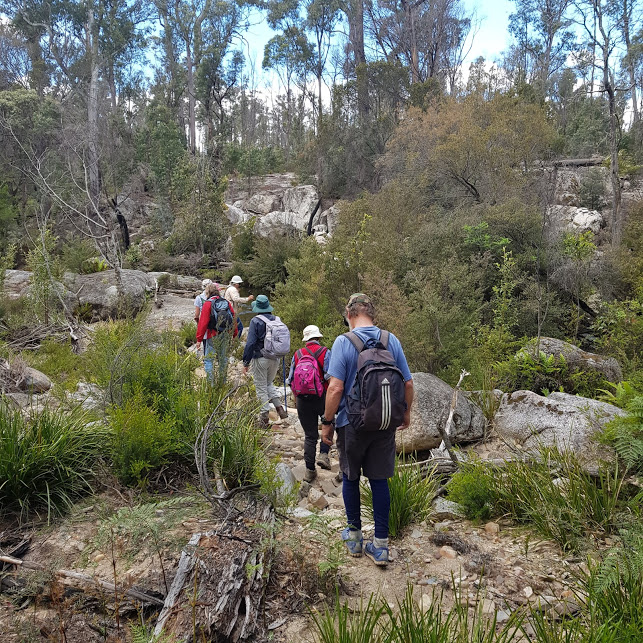
Ralph Falls and Cash’s Gorge Circuit

An easy, relaxed walk that involved viewing the 90-metre drop of Ralph Falls from the Norm Brown Lookout, then continuing through the temperate rainforest to Cash’s Gorge and finally back to the car park along the moorland boardwalk.

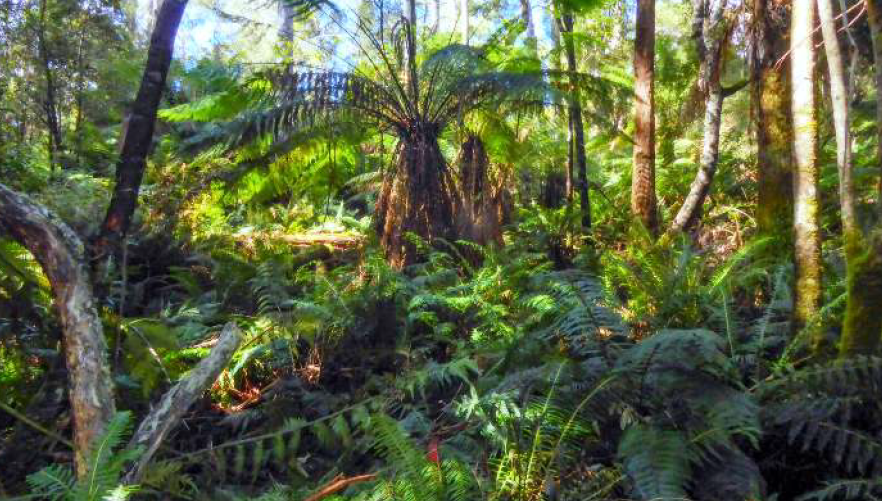
Callidendrous forest, Ralph Falls walk, Mt Victoria
Callidendrous forest, Ralph Falls (PR)

June

A visit to the Queen Victoria Museum with Simon Fearn

A fantastic opportunity to see the natural history collection of the QVMAG.

Crusader beetle (LR)

September

Springfield

16 intrepid members and guests descended upon a lone, unsuspecting and endangered slender tree fern (Cyathea cunninghamii). This 8m tree fern is on the edge of a paddock at Springfield and is one of only about 200 known specimens in 15 locations around the state.

October

Exploring Ansons Bay and Policeman’s Point

With a focus on orchids, this day offered much, much more than a mere bush walk as we took advantage of Jenny Bicanic’s vast knowledge of the local area.

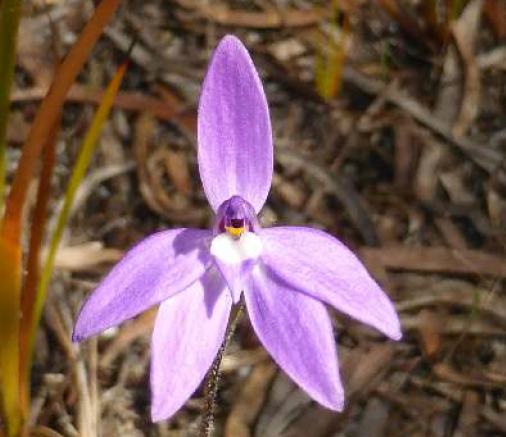
Common waxlip orchid (glossodia major)

November

Boobyalla River Circuit

A walk through the river surrounds near Little Mt Horror—an infrequently visited area within the Payanna State Forest, with a patchwork of swamp forest and other types of riverine forest. This includes 96 hectares of Eucalytus ovata (swampgum) and E. obliqua (stringybark) that are highly significant for their conservation value.

Fire-scarred swamp gum (Eucalyptus ovata)

December

The secretive birds at, and invertebrates in, Big Waterhouse Lake

Liz Znidersic told us about her project monitoring ten sites in the Waterhouse area with bioacoustic recording.

Among the many invertebrates we found were flatworms, water mites, three types of snails, adult diving beetles, and the larvae of beetles, midges, and dragonflies. There were also  freshwater clams, seed shrimps, shrimps, scuds, backswimmers, and  creeping water bugs

Field Nats at Big Waterhouse Lake (PR)